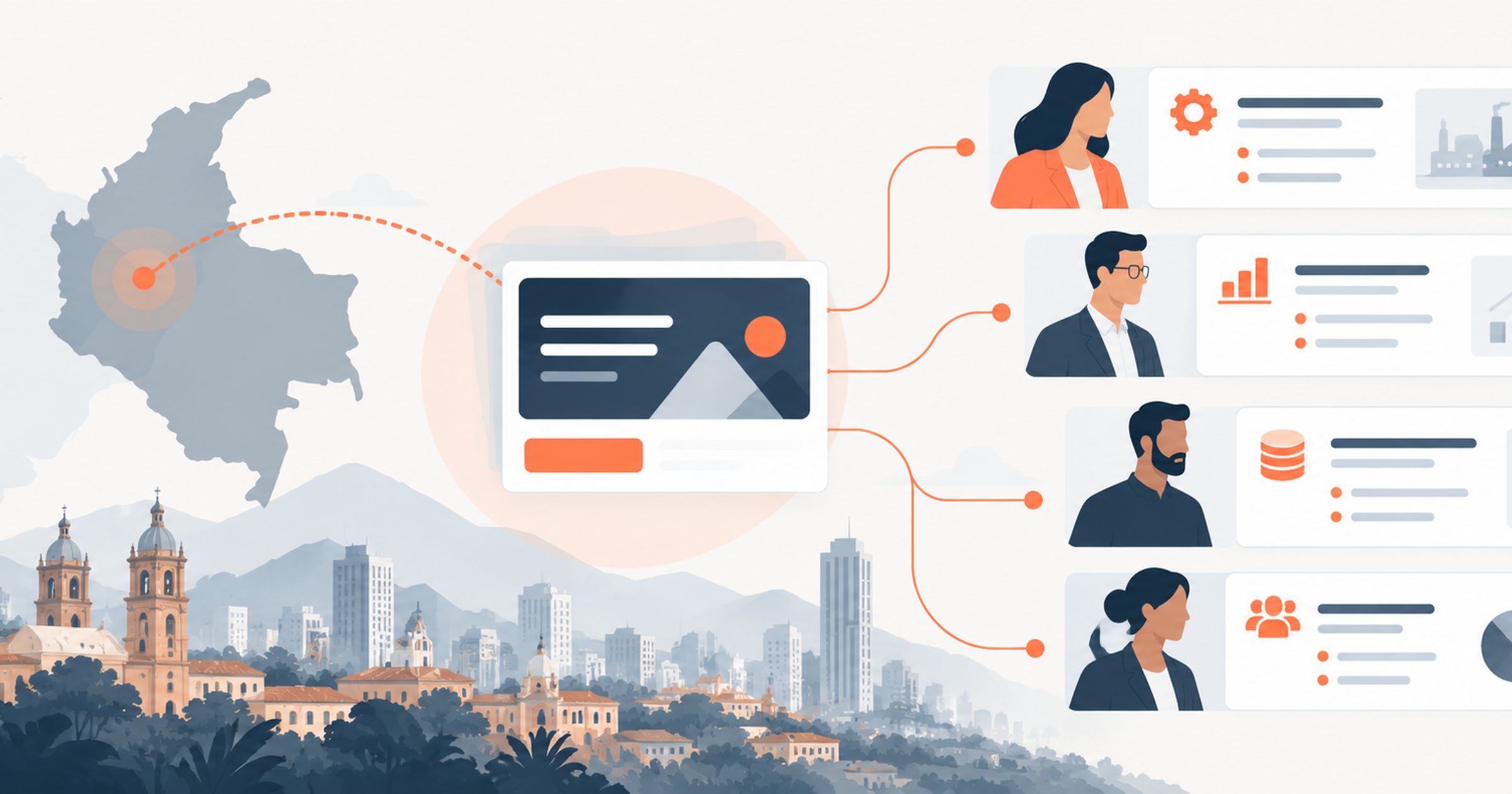


























The Strongest B2B Brands Turn Complexity Into Buyer Understanding
The biggest challenge in many B2B companies is complexity.
The product is complex, the market is complex, the buying process is complex, the technology is complex, and sometimes, that is true.
But when you look closely at the brands that consistently stand out in crowded B2B markets, something interesting happens. The companies gaining attention are not always the ones with the most advanced technology or the longest feature list.
They are usually the ones that make people understand the value faster, and that difference matters more than most companies realize because buyers do not experience your business the same way you do.
Internally, your company sees architecture, integrations, specifications, workflows, and technical differentiators. Buyers, on the other hand, are trying to answer much simpler questions:
What does this actually help me do? Why does it matter? Why should I care now?
And why is this different from everything else I am seeing?
If those answers are not clear quickly, friction starts building immediately.
This is where many strong B2B companies quietly lose momentum. Not because the product lacks value, but because understanding the value takes too much effort, and in today’s market, effort is expensive.
People are overwhelmed with information, platforms, demos, sales messages, and competing priorities. The companies that move buyers forward are often the ones that reduce confusion first. Not by oversimplifying the business. By making the business easier to understand.
Buyers Do Not Want Simpler Products. They Want Clearer Communication
One of the biggest mistakes in B2B communication is assuming clarity means “dumbing things down.” It does not.
The best B2B brands are often extremely sophisticated behind the scenes. What they do well is organize complexity in a way buyers can process more naturally.
Stripe is a good example of this.
Underneath Stripe’s platform sits an enormous amount of technical infrastructure. Payments involve compliance systems, APIs, fraud protection, international banking requirements, subscription logic, and layers of developer architecture most buyers will never fully see.
Stripe could easily lead every conversation with technical depth.
Instead, the company chose to communicate something much simpler first: helping businesses accept payments online more easily. That small shift changes the entire buying experience.
Rather than forcing people to understand the infrastructure before understanding the value, Stripe helps buyers immediately connect the platform to a business outcome they already care about. The technical sophistication is still there. It is simply introduced at the right moment.
According to this analysis of successful SaaS and B2B positioning strategies, companies like Stripe grew faster partly because they made highly technical products feel commercially understandable from the beginning.
That is what strong communication does. It removes unnecessary friction between the product and buyer understanding.
Slack Changed the Feeling of Enterprise Software
Slack approached communication in a similar way, but from a different angle.
Before Slack, a lot of enterprise collaboration tools sounded like infrastructure systems. The language was operational, technical, and often disconnected from the way people actually experienced work every day. Slack made enterprise communication feel human.
Instead of focusing on platform complexity, the company talked about making work communication simpler, faster, and less chaotic for teams. That shift made the product feel approachable immediately. People did not need long explanations to understand the value. They could picture themselves using it almost instantly.
Even the interface reinforced that experience. Channels, reactions, conversational language, and a cleaner visual structure helped the platform feel intuitive instead of operationally heavy.
What Slack really simplified was not the product itself. It simplified the emotional experience of understanding the product.
That distinction matters because people adopt new systems faster when they feel familiar.
As explored in this breakdown of SaaS and B2B communication strategies, brands like Slack reduced adoption friction by helping buyers understand the experience before introducing technical complexity.
And that is something many B2B brands still underestimate. Sometimes buyers are not rejecting the product. They are rejecting the effort required to understand it.
Notion Understood That Visual Clarity Matters
Notion is another interesting example because the platform itself is incredibly flexible.
It combines workflows, project management, databases, collaboration, documentation, note-taking, and operational systems all in one place. For many companies, that level of flexibility creates a communication problem because there is simply too much to explain.
Notion handled this differently. Instead of trying to describe every capability in long paragraphs, the company focused heavily on showing how the platform fits into real workflows.
Templates became part of the communication strategy. Visual examples became part of the communication strategy. The interface itself became part of the communication strategy.
People could immediately see how teams organized projects, shared information, or managed workflows without needing to read complicated explanations first.
That is important because understanding often happens visually before it happens logically.
Notion did not remove the sophistication of the platform. It reduced the amount of interpretation buyers had to do on their own.
Several analyses of high-performing B2B websites point to this structure-first communication approach as one of the reasons platforms like Notion scale effectively in crowded categories.
The strongest brands understand that buyers should not have to work hard to understand why the product matters.
Most B2B Companies Explain Too Much Too Early
This is where many complex brands unintentionally create problems for themselves. They assume credibility comes from depth. So they lead with everything. Technical terminology. Features. Diagrams. Specifications. Product architecture. Long explanations.
The intention makes sense. Companies want buyers to understand how sophisticated the solution really is. But most buyers are not ready for that level of detail at the beginning.
First, they need orientation. They need to understand what the company does, who it helps, why it matters, and why they should keep paying attention.
Only after that does deeper information become useful.
The best B2B websites understand this flow naturally. They guide buyers from clarity into complexity, not the other way around. That is why strong communication often feels easier to follow even when the product itself is highly advanced.
According to several analyses of successful B2B websites, companies that reduce cognitive overload early in the buyer journey are often the ones that hold attention longer and create faster buyer understanding.
Clarity keeps people engaged long enough to care.
Communication Problems Usually Start Internally
Another thing strong B2B brands understand is that unclear communication rarely starts externally. It usually starts inside the company.
Marketing describes the business one way. Sales explains it another way. Leadership focuses on something different. Product teams prioritize technical depth while customer success teams focus on operational impact. Over time, the company starts telling multiple stories at once.
Buyers notice that inconsistency immediately, even if nobody internally realizes it is happening.
This is why strong positioning matters so much.
When communication becomes clearer internally, alignment improves across everything else. Sales conversations become more focused. Content becomes more useful. Customer experience becomes more consistent. Buyers feel more confident because the company sounds aligned.
Clarity is not just a branding exercise. It becomes part of how the business operates.
Clarity Is Becoming a Competitive Advantage
The strongest B2B brands are not winning because they have less complexity.
In many cases, they are winning because they have learned how to communicate complexity better than everyone else.
They understand that buyers do not need every detail immediately. They need enough clarity to confidently move to the next step.
That changes how people experience the brand.
It changes how quickly buyers trust the company, It changes how memorable the company becomes, and it changes how easily conversations move forward. At Room4 Media, this is exactly the kind of challenge we help B2B companies solve.
Many of the brands we work with already have strong products, experienced teams, and valuable expertise. The issue is not the business itself. The issue is often the way the value is being communicated across the buyer journey.
When messaging becomes too technical, too fragmented, or too internally focused, buyers struggle to connect the dots quickly. That creates friction in sales conversations, marketing performance, positioning, and overall brand perception.
Our role is to help companies make complex value easier to understand without losing the sophistication behind what makes the business valuable in the first place.
Because complexity is not the enemy. Confusion is.
If your company feels harder to explain than it should, or if your buyers need multiple conversations before fully understanding your value, there is usually an opportunity to simplify the communication experience without simplifying the business itself.
Sometimes one strategic conversation is enough to uncover where that friction is happening and what needs to become clearer first. That is exactly the kind of work we do at Room4 Media.
We help complex B2B brands turn complexity into clarity so the right people understand you, trust you, and choose you.
RELATED PROJECTS

B2B Content Distribution Strategy: What to Start Doing Now to Win in 2027

Cybersecurity Website Design: How to Attract the Security Buyers You Want